 11
11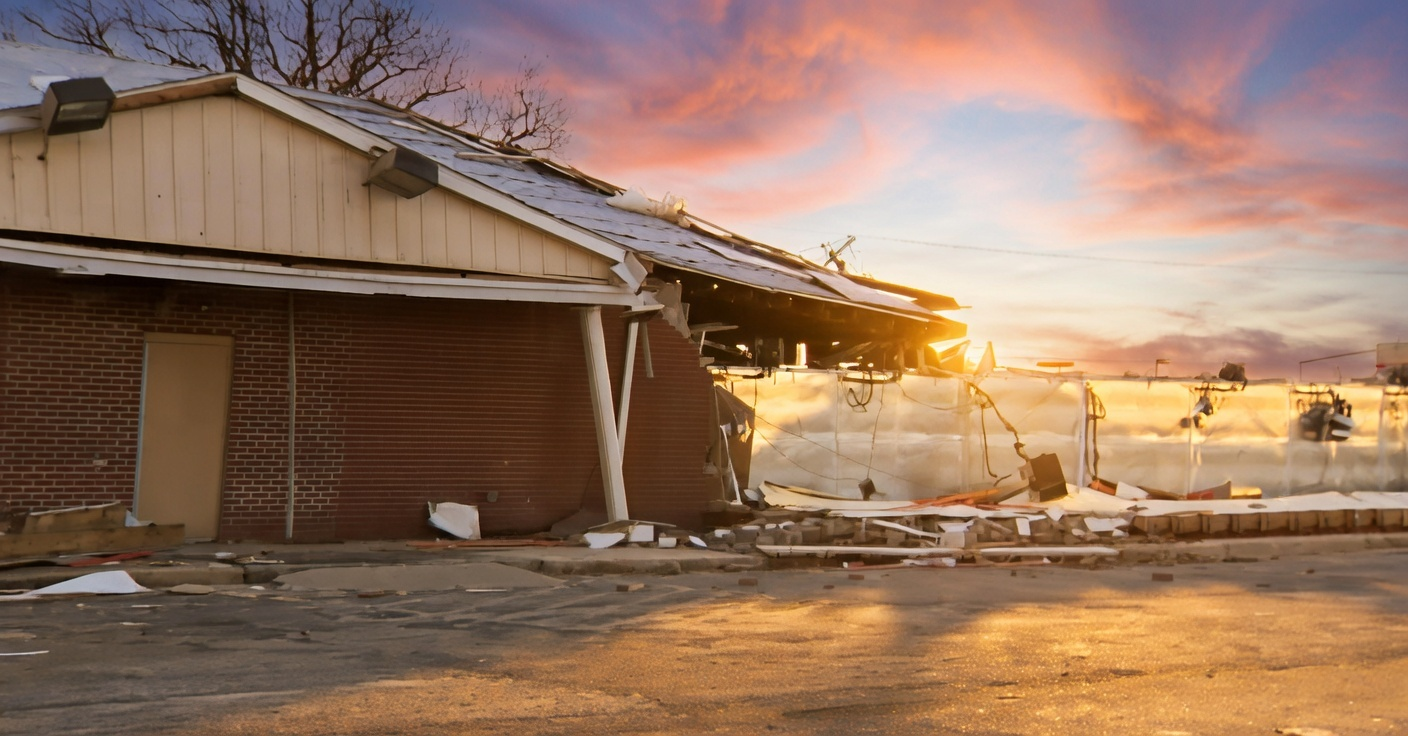
The quiet, rural landscape of Northwest Indiana was forever altered this week when a monstrous EF3 tornado tore through the heart of Lake Village. What began as a standard severe weather warning quickly escalated into a catastrophic event, leaving a trail of destruction that has claimed lives, leveled homes, and tested the resilience of this tight-knit community. As restoration efforts continue on Thursday, the full scale of the tragedy is only now becoming clear, painting a somber picture of nature’s unpredictable fury in the heart of the Midwest.
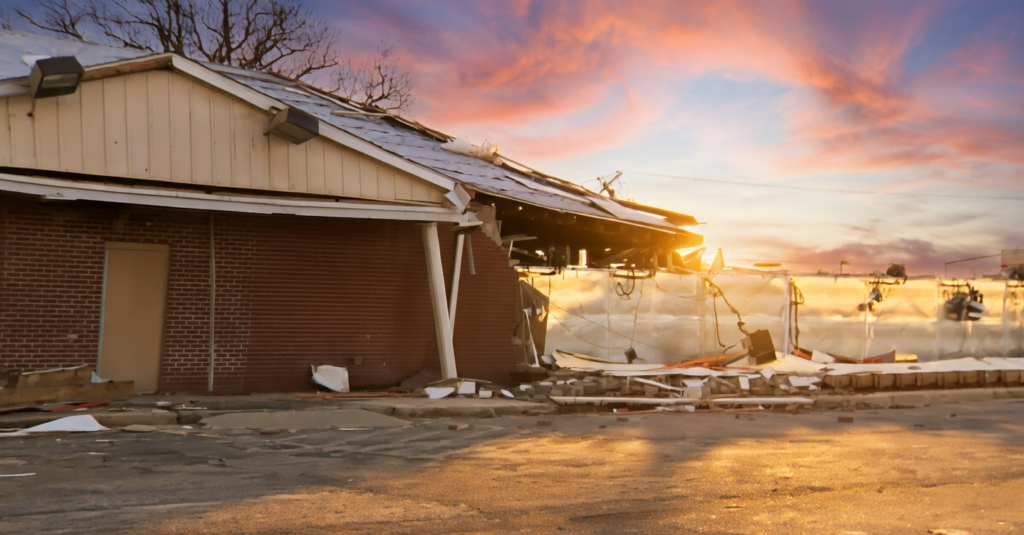
The scar on the land: Lake Village residents begin the arduous task of clearing debris from leveled homes. Photo: Local Emergency Coverage.
The National Weather Service (NWS) survey teams officially confirmed that the vortex striking Lake Village was an EF3 tornado on the Enhanced Fujita Scale. This classification is not handed out lightly; it indicates estimated wind speeds of up to 150 mph. To put this in perspective, an EF3 tornado is capable of not only destroying residential homes but also compromising the structural integrity of steel-reinforced commercial buildings. In Lake Village—a rural enclave with a population estimated well under 1,000 people—the impact of such a high-intensity storm is magnified, affecting nearly every square inch of the town’s geographical footprint.
According to the most recent damage assessments, the storm impacted more than 100 buildings across the Lake Village area. Of those, at least 32 structures were classified as “completely destroyed,” meaning they are beyond any hope of repair. The tornado’s path was relentless, carving a line through both residential streets and commercial zones. On Thursday morning, the parking lot of what was once a bustling Family Dollar store served as a grim monument to the storm’s power. Pieces of sheetrock, twisted metal, and tree limbs were strewn across the asphalt, while the store’s facade appeared to have been sheared off by a giant hand.
Contextual Update: While Lake Village focuses on recovery from this environmental shock, sports fans in the region are simultaneously processing the recent shock in the World Baseball Classic as Team USA faces a similarly unexpected crisis on the field.
The most heartbreaking chapter of this disaster is the loss of two beloved residents who had called Lake Village home for decades. The Newton County Coroner’s office identified the victims as Ed Kozlowski (89) and his wife, Arlene Kozlowski (86). The elderly couple, known for their kindness and deep roots in the community, succumbed to blunt force trauma as the tornado decimated their residence. Their passing has sent shockwaves through a town where everyone knows their neighbor’s name, leaving a void that will be felt for years to come.
The sheer violence of the atmosphere that took their lives was vividly described by their son-in-law, Steve Rehfeldt. While surveying the wreckage, Rehfeldt pointed out the physics-defying power of the wind. Heavy-duty pickup trucks, equipped with massive V8 engines and weighing thousands of pounds, were not just moved—they were flipped upside down. “The wind has literally taken his car, which was parked somewhere, and taken it and flipped it upside down,” Rehfeldt remarked. This level of destruction highlights the limited defensive options available to residents when an EF3 vortex makes a direct hit on a residential structure.
For the survivors, the event was a blur of noise and terror. Steven Travis, whose home stood directly in the tornado’s path, shared a harrowing account of the moments the storm barreled down his street. Travis was looking out his front window when he witnessed a commercial dumpster flying past his house like a piece of paper. That was his signal to run. He managed to reach a bedroom closet just as the structural integrity of his home failed.
“The roof lifted off, the ceiling come down, knocked me down, I climbed into the closet. And that’s where I come out and debris was everywhere. I mean, the place was destroyed.” — Steven Travis, Lake Village Resident.
Travis’s survival is nothing short of miraculous. Search and rescue crews, including K-9 units and thermal imaging teams, were out in full force on Wednesday to ensure that no one else was trapped beneath the piles of brick and timber. While the death toll was tragically centered on the Kozlowski couple, at least 10 other individuals sustained injuries ranging from minor lacerations to significant trauma, requiring urgent medical care at regional hospitals in Northwest Indiana and nearby Illinois.
The tornado’s impact extended far beyond residential property lines, striking a massive blow to the regional energy grid. NIPSCO (Northern Indiana Public Service Company) reported a catastrophic failure of infrastructure in the Newton County area. At least 130 utility poles were snapped like matchsticks, and two major solar facilities sustained significant damage to their arrays. This led to a widespread blackout that left more than 11,000 homes in total darkness on Tuesday night.
Restoration of power in a rural disaster zone is a complex logistical operation. As of Thursday morning, NIPSCO teams are working 12-hour shifts to restore service, but the sheer volume of downed lines and bent power structures means that some residents may remain without electricity for several more days. The damage to the solar facilities also raises questions about the vulnerability of renewable energy infrastructure to high-wind events in the Midwest’s “Tornado Alley” extensions.
| Disaster Metric | Verified Statistics (Newton County) |
|---|---|
| Maximum Wind Speed | 150 MPH (EF3 Classification) |
| Confirmed Fatalities | 2 (Ed and Arlene Kozlowski) |
| Building Destruction | 32 Leveled, 100+ Structurally Damaged |
| Grid Impact | 130+ Utility Poles Snapped; 2 Solar Sites Damaged |
| Total Power Outages | 11,000 Customers at Peak |
Lake Village sits in a unique geographic position that often makes it a focal point for severe convective weather. Located in Northwest Indiana, the area serves as a transition zone where cool air from Lake Michigan interacts with warm, moist air from the Gulf of Mexico. This interaction creates the atmospheric instability necessary for supercell development. While Indiana is not traditionally part of the “Core Tornado Alley,” it resides within an area known for producing intense tornadoes during the shoulder seasons of spring and late summer.
Environmental historians note that rural towns like Lake Village are particularly vulnerable to these events due to a lack of subterranean storm shelters in many older farmhouses. This disaster serves as a stark reminder of the need for updated emergency management protocols and the potential benefits of community-wide storm shelters in rural Midwest townships.
In the wake of such overwhelming devastation, the strength of the human spirit has emerged as the defining story of Lake Village. By Wednesday night, the surrounding communities in Indiana and Illinois had mobilized a massive humanitarian response. Truckloads of essential goods—ranging from water and non-perishable food to pet supplies and hygiene products—poured into the town. Local volunteers have transformed unaffected community centers into makeshift distribution hubs.
The recovery process will be a long and grueling marathon rather than a sprint. While NIPSCO and debris removal teams are focusing on the immediate physical hazards, the mental and emotional scars will take much longer to heal. The Kozlowski family’s tragedy has become a rallying cry for the town, with neighbors coming together to support one another in ways that only a small-town community can. As the sun rises on Friday, the sound of chainsaws will continue to echo through the streets of Lake Village—a sound of a town determined to rebuild from the ashes of a 150-mph storm.