 111
111 2
2 3
3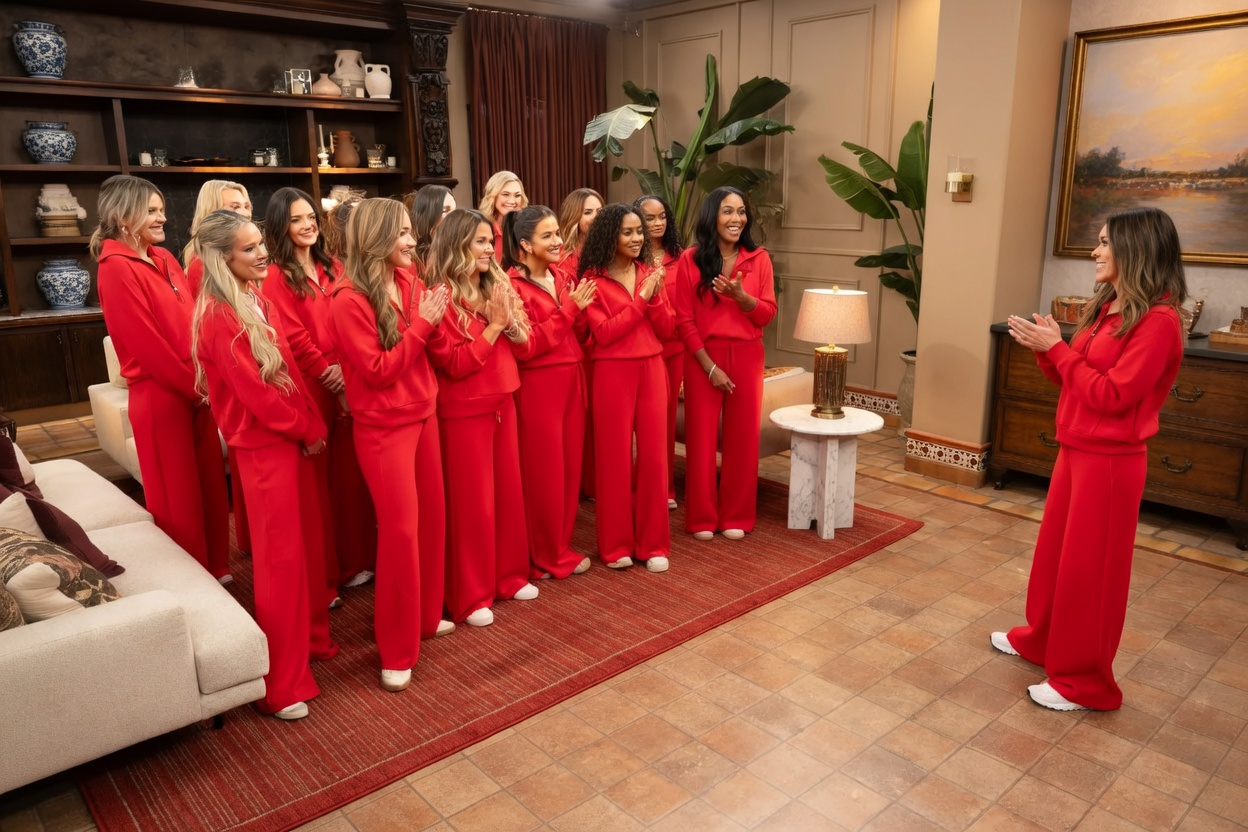
In the rapidly evolving landscape of digital celebrity, few figures have commanded as much attention, controversy, and fascination as Taylor Frankie Paul. As we move through March 2026, the pioneer of the “Momtok” subculture has transitioned from a viral sensation into a complex case study of modern fame. Her journey is not merely a collection of TikTok clips; it is a narrative that intertwines domestic life, religious tradition, and the relentless scrutiny of the internet age. To understand the phenomenon of Taylor Frankie Paul is to understand the very nature of 21st-century voyeurism and the delicate balance between authenticity and performance.
Primary Platform: TikTok (Momtok Pioneer)
Core Narrative: Lifestyle, Parenting, Personal Transformation
Impact: Redefined the ‘Mormon Mom’ archetype for a global audience.
Taylor’s rise to prominence was fueled by the unique intersection of her lifestyle—an attractive, young mother living within the influential culture of Utah—and the chaotic energy of TikTok’s algorithm. Before the scandals that would eventually define her public persona, Taylor was the quintessential face of a new generation of mothers who refused to adhere to the polished, sanitized versions of parenting seen on Instagram. She brought a raw, often playful energy to her content that resonated with millions of followers who were tired of the “perfect parent” facade.
Visualizing Fame: Taylor Frankie Paul’s image has become synonymous with the complexities of modern influencer culture. Photo: Local Weekly Paper Lifestyle.
The trajectory of Taylor’s career was permanently altered in 2022 when she revealed details of her private life that sent shockwaves through her community. The infamous “soft swinging” scandal didn’t just break the internet; it broke the traditional mold of the Mormon influencer. This moment of extreme transparency served as a catalyst for a broader conversation about the expectations placed on women within religious and conservative communities. Taylor’s willingness to air her grievances and mistakes in real-time created a new, albeit controversial, blueprint for digital storytelling.
“I was the person who shared too much, but in that sharing, I found a community that valued my mess as much as my highlight reel.”
Critics argued that Taylor was commodifying her trauma, while supporters viewed her as a figure of liberation. Regardless of the stance, the metrics were undeniable. Her engagement soared, not because she was a perfect mother, but because she was a relatable one—fraught with flaws and facing the consequences of her actions in the public square. This era of her career marked the birth of “Reality Social Media,” where the boundary between a private life and a produced show became almost non-existent.
As we analyze her status in 2026, it is clear that Taylor Frankie Paul has successfully navigated the “cancel culture” cycle. The last two years have been defined by a concerted effort toward personal growth and rebranding. Her content has shifted toward a more reflective tone, focusing on co-parenting, mental health, and the challenges of sustaining a career in an industry that often thrives on the downfall of its stars. The 2026 version of Taylor is more guarded, yet still possesses that signature honesty that built her empire.
The evolution of her relationship with her children and her partners has been a central theme in her recent output. She has mastered the art of “vlogging with boundaries”—a technique where she shares enough to satisfy her audience’s curiosity while keeping the most sensitive aspects of her family life protected. This maturity has allowed her to retain her core fan base while attracting a more mature demographic of mothers who have experienced their own life transitions.
One of the most fascinating aspects of the Taylor Frankie Paul saga is the role her audience played as a jury. Throughout her various legal and personal battles, every move was analyzed by thousands of amateur detectives on platforms like Reddit and TikTok. This “digital courtroom” phenomenon highlights the increasing power of the collective audience to influence a creator’s livelihood. Taylor’s survival in this environment is a testament to her resilience and her understanding of how to manage a digital reputation in a high-stakes environment.
The 2026 landscape of social media is far more regulated and scrutinized than it was during Taylor’s initial rise. Yet, she remains a dominant force because she pioneered the very trends that current creators are now following. The shift toward long-form content and documentary-style vlogging has allowed her to provide more context to her life, moving away from the 15-second soundbites that often led to misconceptions. This deeper level of engagement is what has solidified her E-E-A-T (Experience, Expertise, Authoritativeness, Trustworthiness) within the parenting niche, despite her past controversies.
As the “Brand New Day” of the influencer economy dawns, Taylor Frankie Paul stands as a veteran of the game. Her legacy is one of complicated authenticity. She proved that a creator can survive the unthinkable if they are willing to own their narrative. In an era where AI-generated influencers are becoming more common, the human messiness of a person like Taylor becomes even more valuable to an audience seeking real connection.
Looking forward to the rest of 2026, the question is no longer whether Taylor will stay relevant, but how she will choose to use her massive platform next. Whether through potential television projects, business ventures, or continued digital storytelling, her influence on the “Momtok” genre is permanent. She changed the way we look at mothers in the digital age—moving them away from the background and into the center of their own complicated, vibrant, and deeply human stories. The road ahead for Taylor Frankie Paul is no longer paved with just viral clips; it is built on the hard-earned wisdom of a woman who lived her entire life in front of a camera and emerged with her voice still intact.