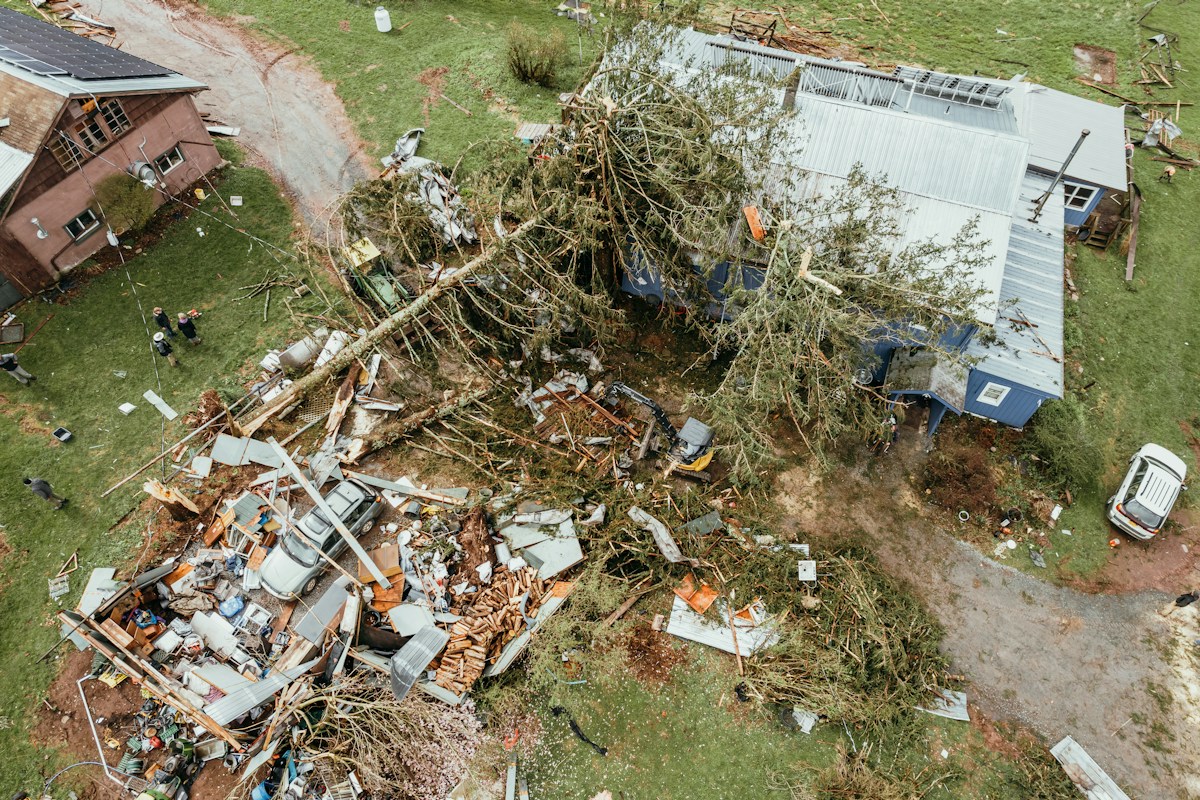
Disasters create urgency, and urgency is exactly what many scammers try to exploit. After storms, floods, fires, and other emergencies, Texans may face door-to-door repair offers, fake charity appeals, utility or government impostors, and sharply higher prices for necessities.
The Federal Trade Commission and the Texas Attorney General both warn consumers to slow down before paying. The best protection is not one universal scam test. It is a different verification process for contractors, charities, and suspected price gouging.
This guide separates those three problems so you can take the right next step.
Contractor scams: verify the business, the work, and the payment
After a disaster, a contractor may appear when you need repairs quickly. The FTC warns about common red flags such as pressure to sign immediately, requests for full payment up front, blank contracts, demands to sign over an insurance check, or insistence on hard-to-reverse payment methods.
Start by getting more than one estimate when circumstances allow. Ask for a written contract that describes the work, price, schedule, payment terms, and who is responsible for permits or other requirements.
Then verify the contractor independently. Search for the business name, address, phone number, and complaint history. Ask for references and proof of insurance where appropriate. Do not treat a social-media page, business card, or a truck with a company logo as proof that the business is legitimate.
Texas licensing is not one-size-fits-all
A common piece of disaster advice is to “check the contractor’s license,” but Texas requires more nuance.
The Texas Governor’s Business Permit Office says the state does not require one general business license. Licensing depends on the trade and sometimes on local requirements. Certain work is regulated at the state level. For example, non-exempt electrical work requires licensing, and air-conditioning and refrigeration contractors are also regulated by the Texas Department of Licensing and Regulation.
So the right question is not simply, “Do you have a Texas contractor license?” Ask what license, registration, permit, or local authorization applies to the specific work being offered, then verify it with the relevant state or local authority.
A contractor who falsely claims that no license or permit is required should not be taken at their word. Check the rule independently.
Be careful with deposits and insurance money
The FTC warns against paying the entire job in advance and against signing over an insurance check to a contractor.
A reasonable payment structure depends on the project, but consumers should understand what work must be completed before each payment is due. Keep payment terms in the written contract, document completed work, and avoid making the final payment before you have inspected the job.
If an insurance claim is involved, speak directly with your insurer or adjuster about the claim and payment process rather than relying on the contractor to explain what the policy covers.
Charity scams: verify the organization before donating
Disasters also trigger emotional appeals for donations. Scammers may create a new organization with an official-sounding name or impersonate a real charity.
Do not assume a donation request is legitimate because it came from a friend’s social-media post, a text message, or a familiar-looking logo. Find the organization independently, review what it says it is doing, and confirm that the donation page belongs to the real charity.
The FTC advises donors to research charities and to be especially cautious when someone insists on payment by cash, gift card, wire transfer, cryptocurrency, or another method that makes recovery difficult.
If you want to support a known organization, navigate to its official website independently rather than using a payment link sent in an unsolicited message.
Price gouging is a different legal question
A high price after a disaster can be frustrating, but Texas guidance makes an important distinction: a high price alone does not automatically establish illegal price gouging.
The Texas Attorney General says price gouging can violate state law when a disaster has been officially declared and a seller takes advantage of the situation by charging exorbitant or excessive prices for necessities. Examples can include fuel, food, medicine, lodging, building materials, construction tools, and other necessities.
That means context matters. Save the receipt or written quote, record what was being sold, the price, business name, location, and the circumstances. If you believe the price was excessive in connection with a declared disaster, the Attorney General provides a consumer complaint process.
Do not mix scam reporting and price-gouging evidence
Contractor fraud, charity impersonation, and price gouging can happen during the same recovery period, but they are not the same allegation.
For a contractor problem, preserve the contract, estimates, payment records, messages, photos of the work, and license or permit information you checked. For a charity concern, save the solicitation, website address, payment destination, and the name the fundraiser used. For suspected price gouging, save receipts, screenshots, quotes, location details, and information showing what necessity was being sold.
Keeping the evidence organized makes it easier to explain what happened to the appropriate agency, insurer, bank, card issuer, or law-enforcement contact.
A verify-before-paying checklist
- Slow down when someone says you must decide immediately.
- Independently verify the business or organization instead of using only contact information it supplied.
- Get repair terms in writing and avoid blank or incomplete contracts.
- Check the license, registration, permit, or local requirement that actually applies to the type of work.
- Ask your insurer directly about coverage and claim-payment procedures.
- Avoid paying an entire repair bill before the work is complete and inspected.
- Research a charity through independent sources before donating.
- Save receipts, screenshots, contracts, messages, and payment records.
- For suspected price gouging, document the item or service, price, seller, location, and disaster context before filing a complaint.
Prepare before the next emergency
The FTC recommends doing some of this work before a disaster strikes: know what insurance you have, organize important documents, make a household inventory, learn how local alerts work, and identify reputable contractors before you urgently need one.
Preparation reduces the number of decisions you have to make while stressed, displaced, or facing damaged property. It also makes it easier to recognize when someone is trying to use urgency as leverage.
If an outage is part of the emergency, our Texas power-outage food spoilage insurance guide explains the separate questions around spoiled-food coverage and additional living expenses.
The practical rule is to separate urgency from verification. A real emergency may require fast action, but you can still verify who is asking for money, what they are promising, and which agency or rule applies.
Sources
- FTC: National Preparedness Month scam guidance
- FTC: avoiding scams after weather emergencies and natural disasters
- Texas Attorney General: disaster scams
- Texas Attorney General: spotting and reporting price gouging
- Texas Governor’s Business Permit Office: licensing and permits
- TDLR: electrician licensing
- TDLR: air-conditioning and refrigeration contractor licensing