A long power outage can wipe out hundreds of dollars of refrigerated and frozen food. In Texas, insurance may help in some cases, but the answer depends on the policy and on what caused the power failure.
The Texas Department of Insurance says some homeowners and renters policies may pay for spoiled food when power fails under qualifying circumstances. TDI’s disaster guidance says many policies may pay up to $500 or more, and a deductible does not always apply. That does not mean every outage or every policy is covered.
Before filing a claim, separate three questions: whether your policy covers food spoilage, whether the cause of the outage meets the policy’s requirements, and whether other expenses such as a hotel are covered under a different part of the policy.
Start with the cause of the power failure
Insurance coverage usually turns on the policy language and the cause of the loss, not simply on the fact that the electricity went out.
TDI advises policyholders to call their agent or company and ask whether their specific policy covers spoiled food. Some policy forms tie food-spoilage coverage to a power failure caused by a covered event. Other policies may handle off-premises power failures differently or require an endorsement.
That distinction matters after storms. A neighborhood-wide outage can feel like the same event to every household, but two policyholders may have different coverage because their policy forms, endorsements, deductibles, and the cause of the failure are different.
Do not assume the commonly cited dollar amount is your limit
TDI says many homeowners and renters policies may pay up to $500 or more for spoiled food in qualifying situations. Treat that figure as a prompt to check your own policy, not as a guaranteed payment.
Your policy may have a different limit, a deductible, a special food-spoilage provision, or no applicable coverage for the event that caused the outage.
Ask the insurer four direct questions:
- Does my policy cover refrigerated or frozen food spoilage?
- Does the cause of this outage qualify under my policy?
- What is the food-spoilage limit?
- Does a deductible apply to this loss?
Getting those answers first can help you understand whether a claim is likely to produce a payment and what documentation the company wants.
Document the food before you throw it away
TDI recommends taking pictures or keeping a list of spoiled food. That can be useful because once unsafe food is discarded, it may be difficult to reconstruct exactly what was lost.
Photograph the refrigerator and freezer contents, make a written list, and keep any receipts or purchase records you already have. If your insurer gives you claim instructions, follow its requested documentation process.
Do not keep unsafe food only for the sake of an insurance claim. Food safety and insurance documentation are separate issues.
Food safety has its own clock
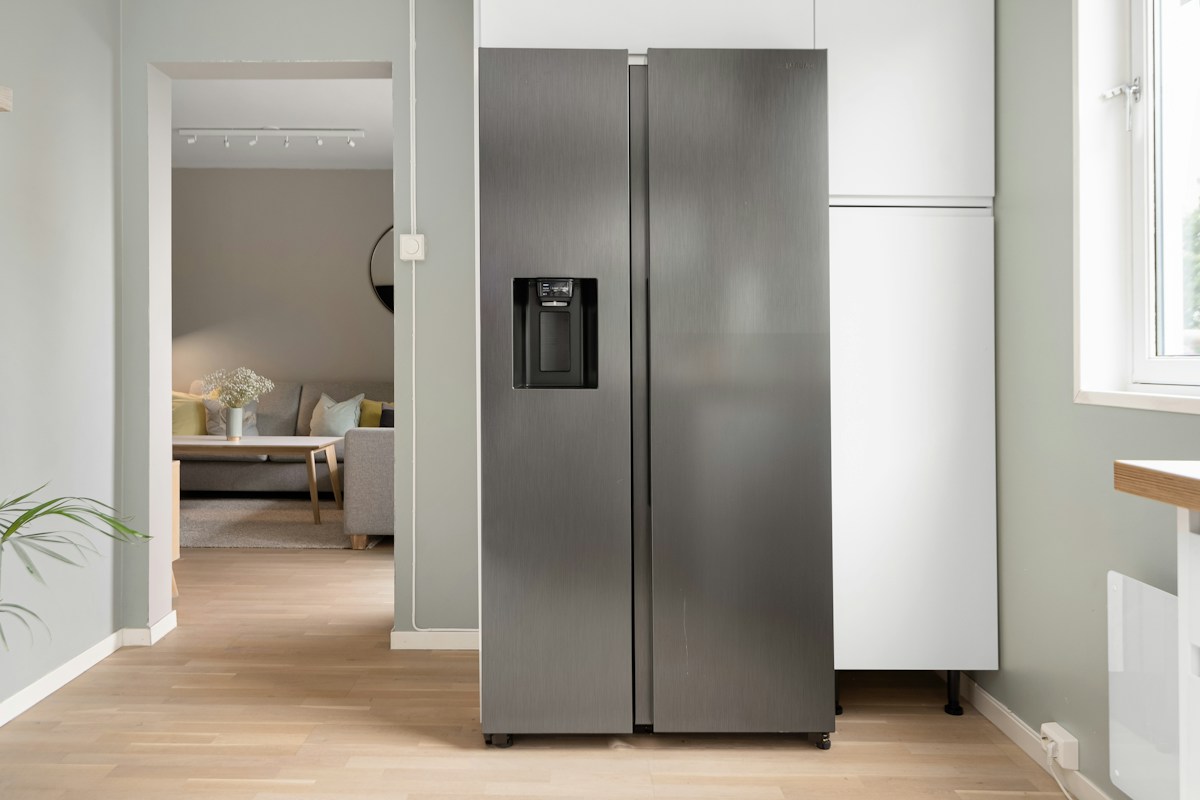
The U.S. Department of Agriculture says an unopened refrigerator generally keeps food safely cold for about four hours during a power outage. A full freezer can hold a safe temperature for about 48 hours, while a half-full freezer is closer to 24 hours if the door stays closed.
USDA also advises consumers not to taste food to decide whether it is safe. When refrigerated perishables have been above safe temperatures too long, they should be discarded even if they look or smell normal.
This creates a practical sequence during an outage: keep appliance doors closed, document losses when it is safe to do so, follow food-safety guidance, and contact your insurer about coverage.
Food spoilage coverage is not the same as hotel coverage
A common source of confusion is assuming that if insurance may pay for spoiled food, it will also pay for a hotel during the outage.
TDI says additional living expenses generally apply when you cannot stay in your home because it was damaged by an event covered by the policy. A power outage by itself, without covered damage to the home, usually does not trigger hotel or temporary-living coverage.
For example, if a covered storm damages the home and makes it uninhabitable, additional living expenses may apply subject to the policy. If the home is intact but the neighborhood has lost electricity, that is a different coverage question.
Keep the two claim categories separate when you speak with the insurer: food spoilage and additional living expenses can have different triggers, limits, and documentation requirements.
Before filing, make a simple claim decision check
A consumer article cannot determine whether a specific claim is covered, because the policy and facts control. But you can collect the information needed for a better conversation with the insurer.
Write down when the power failed and returned, what you believe caused the outage, what food was lost, the estimated value of the loss, and any visible damage to the home. Then ask the insurer to identify the applicable coverage, limit, and deductible.
If the insurer says the loss is not covered, ask which policy provision applies. If you believe a legitimate insurance company or agent handled the claim incorrectly, TDI has consumer-help and complaint resources.
For a separate Texas insurance issue involving how premiums are priced, see our guide to Texas insurance price-optimization rules.
A practical outage checklist
- Keep refrigerator and freezer doors closed as much as possible while the outage continues.
- Follow USDA time and temperature guidance for food safety.
- Take photos and make a list of food you must discard.
- Check your policy or call your agent or insurer about food-spoilage coverage.
- Ask whether the outage cause qualifies, what limit applies, and whether there is a deductible.
- Keep food-spoilage coverage separate from any hotel or additional-living-expense question.
- Save claim communications and any documentation the insurer requests.
The key is to avoid two opposite assumptions: that every power outage is covered, or that spoiled food can never be covered. Texas regulators say coverage can exist, but the policy and the cause of the loss decide the outcome.