A QR code on a parking meter can look like an official shortcut to payment. In 2026, the Federal Trade Commission warned that scammers have been covering legitimate parking instructions with their own QR-code stickers, sending drivers to lookalike websites built to collect card details, passwords, or other personal information.
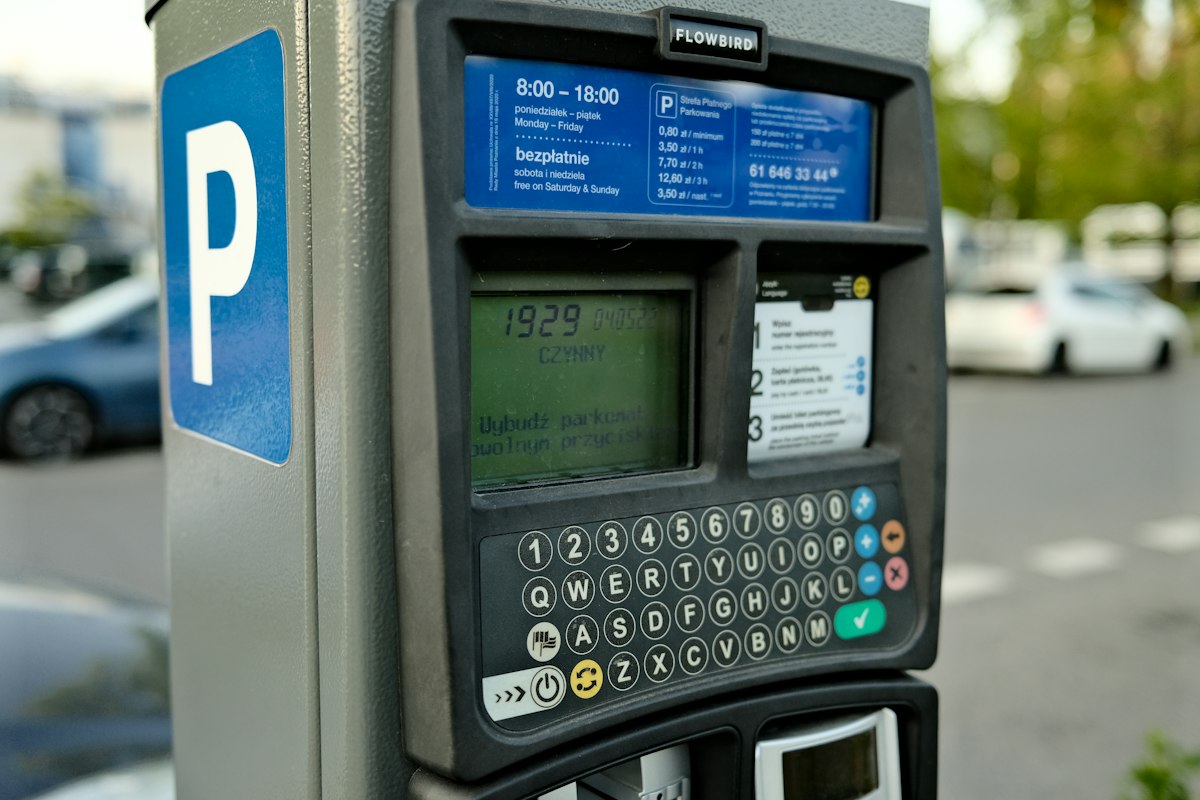
The safest response is not to assume every QR code is fraudulent. Some cities genuinely use QR-based parking systems. Instead, verify that the code belongs to the parking authority before entering payment information.
How the parking QR scam works
The FTC says reports have involved scammers placing their own QR codes over legitimate ones on parking meters. A driver scans the code, lands on a fake payment page, and may enter card or account information believing the city is collecting the payment. The page can also be used to push a malicious download or capture login credentials.
This matters because a professional-looking page is not proof that the payment destination is legitimate. A scammer can copy logos, colors, parking-zone language, and even parts of a real city website.
Check the physical sign before you scan
Look closely at the meter or sign. A sticker placed over another label, a crooked code, peeling edges, mismatched printing, or evidence that the surface has been altered should make you stop. Sacramento gives a useful example: its official text-to-pay QR codes are printed directly on city signs, not added as stickers. The city tells drivers to use another payment method when a code looks altered or suspicious.
That rule is not universal, so do not assume every sticker is fake or every printed code is safe. The practical lesson is to compare what you see with the parking authority’s official instructions.
Preview the link before opening it
Many phone cameras and QR readers show the destination URL before opening it. The FTC recommends inspecting that preview for misspellings, switched letters, or an unfamiliar domain. A web address that merely contains a city name is not enough. If you are unsure, close the preview and independently search for the city parking department or official parking app.
Use a payment route you can independently verify
Official payment methods vary by city. New York City, for example, says metered parking can be paid through ParkNYC or at its meters, and NYC DOT has specifically warned drivers not to use fraudulent QR-code stickers placed on meters. Sacramento also offers meter, mobile-app, and limited text-to-pay options.
When in doubt, use the app already installed from a trusted app store, type the known official web address yourself, or pay directly at the meter. Do not rely on a search ad or the contact information printed next to a suspicious code.
If you already scanned a suspicious QR code
- Stop interacting with the page. Do not send more information or respond to anyone who contacts you through it.
- Change exposed passwords. If you entered a username or password, change it immediately, especially anywhere the same password was reused. Turn on multi-factor authentication where available.
- Review your bank and card activity. The FTC recommends checking for transactions you did not make. Contact the card issuer or bank quickly if something is wrong.
- Update your phone. Current operating-system and app updates reduce the chance that a malicious link can exploit an unpatched vulnerability.
- Report the fraud. The FTC accepts reports at ReportFraud.ftc.gov. Cities may also have a 311 line, parking authority, or local law-enforcement reporting process.
A simple 30-second verification routine
Before paying, ask three questions: Does the code look physically original? Does the destination domain match the parking authority I independently verified? Is there another official payment option I can use instead? If any answer is unclear, do not enter card details yet.
The point is not to avoid QR codes altogether. It is to separate convenience from trust. A code can take you somewhere quickly, but it cannot prove that the destination is legitimate.
Official sources
Federal Trade Commission: parking QR-code scam alert
NYC311: ParkNYC payment and QR-code scam guidance
City of Sacramento: parking meter and QR-code guidance
For more service-oriented consumer coverage, see the Consumer section.